

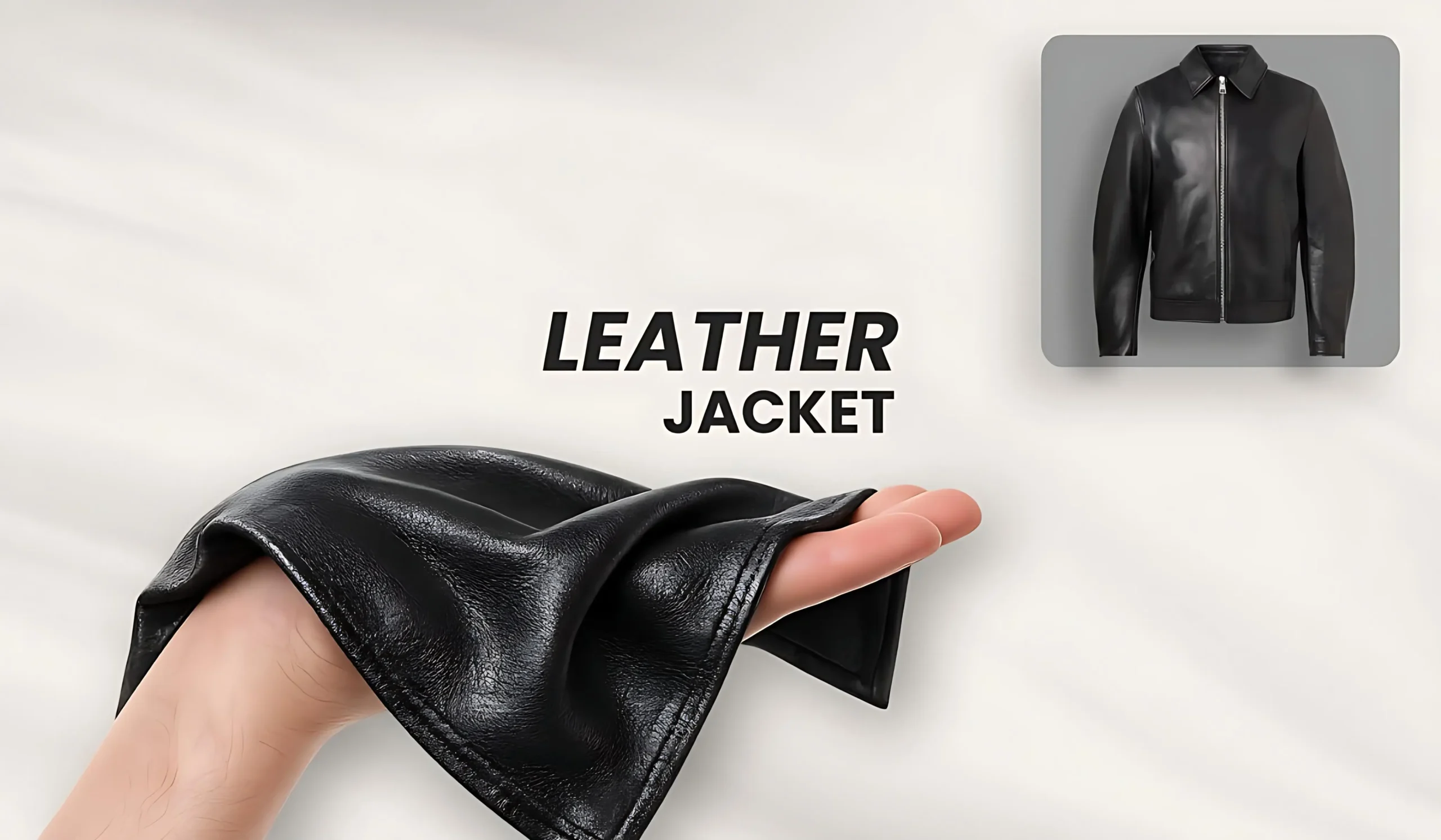
Introduction: Why a Leather Jacket
Leather Jackets are one of those clothing pieces that feel both practical and effortlessly stylish at the same time. They’re made from processed animal hides or modern faux-leather alternatives, and the material naturally has a firm, slightly textured surface that holds up incredibly well.
Originally, most leather jackets were made from heavier hides like cowhide or buffalo, but today you’ll also find softer and lighter options made from sheepskin or goatskin, depending on how flexible or durable the final jackets need to be.
One of the reasons leather jackets have stayed so popular is simply that they age well. The material breaks in slowly, softening with wear and developing a natural patina that gives each jacket its own personality. On top of that, leather is naturally resistant to wind, light rain, and general abrasion, so it works nicely as everyday outerwear. It also keeps its shape and structure for years, even with constant use.
Because of these qualities, leather jackets are used in all kinds of clothing, from fashion and streetwear to protective motorcycle gear and utility jackets. They offer warmth, durability, and a look that never feels outdated. Weather-worn for practical reasons or simply because they add a sharp edge to an outfit, leather jackets remain a long-lasting favorite in both fashion and functional outerwear.
History
1. Origins (Early 1900s)
Leather Jackets first emerged in the early 20th century as practical outerwear made for protection rather than style. Early versions were worn by military personnel and motorcyclists because leather could shield the body from cold winds and physical abrasion: Wikipedia+ JacketsKingdom.
2. Flight Jackets and Military Adoption (1917-1940s)
One of the earliest iconic forms was the A-1 and A-2 flight jackets, introduced around World War I. These were made from tough horsehide and lined with wool to keep pilots warm in open-cockpit aircraft: U.S. Army Air Corps Records+ Atomic
Some variants, like the shearling-lined bomber jackets (e.g., B3), offered even greater warmth, which was critically important during cold missions. Atomic + National WWII Museum.
These jackets were not just functional; they became a symbol of bravery. Many pilots personalized their jackets with squadron patches and nose art, turning these uniforms into deep personal statements. JacketsKingdom.
3. Rise of the Motorcycle Jacket
In 1928, Irving Schott of Schott NYC designed what is often called the first modern motorcycle jacket, naming it the “Perfecto” (after his favorite cigar). Mayim Leathers+1
This design featured a rugged horsehide build, an asymmetric zipper, snap fasteners, and a belted waist; all to protect riders from winds and crashes. The Museum at FIT
Leather Motorcycle Jackets borrowed many functional cues from the military flight jackets, becoming an essential piece of gear for motorcyclists.
4. Post-War and Cultural Shift
When WWII ended, many pilots returned home jackets became more accessible to civilians. In the 1950s, Hollywood cemented the jacket’s rebellious image: Marlon Brandon is The Wild One, making the biker jacket a symbol of youth defiance. At the same time, the leather jacket became an icon of the outside culture, embraced by rock ‘n’ roll stars, bikers, and countercultural movement. Joebrowns.co.uk
5. Subcultures and Customization
Over time, the leather jacket evolved beyond its functional roots and became deeply embedded in subcultures. Punks, bikers, and rockers customized their jackets with studs, patches, and personal art, turning the jackets into a wearable statement. Biker’s Cut-off jackets, with sleeves removed and patched with club insignia, are a direct legacy of wartime flight jackets, where pilots used to sew mission patches on. Wikipedia + Premium Leather Store
6. Modern Legacy
Today, leather jackets are both a fashion staple and a nod to history. Designers and heritage brands still draw inspiration from classic aviator and motorcycle jackets, representing the jacket’s past while keeping it relevant. Whether a symbol of rebellion, a piece of practical outerwear, or a bit of vintage nostalgia, the leather jacket remains one of the most enduring garments in fashion.
Manufacturing Process of Leather Jackets
Leather Jacket manufacturing involves a series of steps that transform raw animal hides into a wearable garment. While the type of leather used can vary, the overall production methods follow a similar pattern.
1. Raw Hide Selection and Sorting
The process begins with choosing the right hides. Cowhide is the most traditional choice due to its strength and thickness, while lambskin is selected for its lightweight, softer jackets. Before any treatment begins, hides are inspected for scars, holes, uneven grain, or natural defects. The selected hides are then preserved (usually by salting) to prevent decay during transportation.
2. Cleaning, Soaking, and Liming
Once the hides reach the tannery, they are soaked in the large drums to remove dirt, salt, and stiffening from storage. After soaking, they go through a liming process that loosens hair and natural oils. This step softens the hide and prepares it for tanning by opening the fiber structure. Then hides are then mechanically de-haired and fleshed to remove any remaining tissue.
3. Tanning
Tanning stabilizes the hide and turns it into leather that won’t rot or stiffen.
There are two main tanning methods:
- Chrome Tanning, which is faster and gives supple, flexible leather (commonly used for jackets).
- Vegetable Tanning, a slower method that uses natural tannins and results in firmer, more premium leather.
The hides tumble into large rotating drums containing tanning agents until the fibers bond with the chemicals. This step is crucial; it defines the leather’s durability, strength, and overall character.
4. Splitting, Shaving, and Re-tanning
After tanning, hides are split into layers to achieve the required thickness. Outer grain layers become a high-quality jacket, while inner splits are used for suede or other products. The leather is then shaved to an even thickness and re-tanned to fine-tune softness, flexibility, and color absorption.
5. Dyeing
Dyeing can take place in two ways:
- Drum Dyeing, where color penetrates deep into the leather, or
- Surface Dyeing, where pigment is applied to the outer layer for a uniform look.
For premium jackets, drum dyeing is preferred because it creates rich, long-lasting color. After dyeing, excess water is removed, and the hides are dried in controlled environments.
6. Conditioning and Softening
Once dry, the leather can feel stiff. It is conditioned with natural oils, waxes, or specialized softening agents, then mechanically milled in large drums to make it supple. This gives jacket leather that smooth hand feel and flexible movement people expect when wearing it.
7. Cutting the Pattern Pieces
Finished leather sheets are now cut into individual jacket components.
Since leather is not uniform like fabric, pattern cutters must work around scars, thickness changes, and natural grain variations. Each jacket requires 20-30 pieces, including sleeves, panels, collars, facing, pockets, and linings.
8. Stitching and Assembly
Skilled workers stitch the cut pieces together using heavy-duty sewing machine and strong nylon and polyester thread.
This stage includes:
- Attaching the front and back panels
- Setting in sleeves
- Sewing pockets
- Adding the collar
- Attaching zippers, snaps, and hardware
- Joining the lining to the outer shell
Any design elements, quilting, paddings, belts, or asymmetric biker panels are also added here.
9. Finishing
The finishing stage shapes the overall appearance of the jacket.
It may involve:
- Buffing or sanding to produce distress textures
- Waxing or polishing for shine
- Steam pressing for the final form
- Edge finishing for smooth seams and hems
Some jackets also receive protective coatings for water resistance or color preservation.
Properties and Characteristics Of Leather Jacket
Leather jackets are known for their durability, longevity, and the way they mold to the wearer over time. Their performance depends on the type of hide ( cowhide, goatskin, lambskin, or buffalo), the tanning method, and surface finishing. But certain characteristics remain consistent across most genuine leather garments, especially those made from full-grain or top-grain hides.
1. Physical Properties
High-quality leather is known for its dense fiber structure, which gives it natural tensile strength and flexibility. Full-grain leather, in particular, retains the original fiber alignment of the hide, making it tougher and more breathable than heavily corrected varieties. Because leather is a protein-based material, it adapts to body movement without losing structural integrity.
2. Abrasion Resistance and Durability
One of the biggest reasons the leather jacket became iconic, especially in motorcycling and military gear, is its higher resistance to surface wear. Their interlocking collagen fibers make the material naturally abrasion-resistant, protecting the skin beneath during impact or slides. Cowhide and buffalo leather, which have thicker grain layers, typically offer better long-term durability than softer skins like lambskin.
3. Wrinkle Resistance and Shape Retention
Unlike synthetic fabrics that crease permanently, leather tends to “bounce back” because of its elastic fiber network. With time, it develops soft creases that add character but rarely distort the overall shape of the garment. This is especially true for vegetable-tanned and semi-aniline leather, which maintains its form through natural fiber memory.
4. Breathability and Comfort
Genuine leather is breathable because of its microscopic pores naturally present in the animal hide. These pores allow moisture vapor to pass through, making leather comfortable in both mild heat and cooler conditions. Lambskin is often chosen for fashion jackets because of its buttery feel and excellent flexibility, while cowhides provide comfort with added ruggedness. Synthetic “faux-leather” lacks this breathability entirely due to its plastic base.
5. Weather Resistance
Leather naturally resists wind, making it ideal for outerwear. When treated with waxes, oils, or modern water-repellent finishes, it can withstand rain and light moisture without damage. However, untreated leather will eventually absorb water, so most high-end jackets use chrome-tanned or combination-tanned leather for improved weather performance. Chrome tanning is widely known for producing supple, water-resistant leather suitable for everyday wear.
6. Aging and Patina Development
One of leather’s most prized characteristics is its ability to develop patina, an organic sheen that forms through wear, exposure to light, and natural oils from the skin. This aging effect enhances the jacket’s look over time and is seen as a mark of authenticity and craftsmanship. Full-grain and vegetable-tanned leathers show the richest patinas, while heavily coated or corrected leathers age more slowly.
Applications
Leather jackets have transcended their origins as functional outerwear to become coveted fashion statements embraced by people from all walks of life. From the rebellious spirit of the biker jacket to the sophistication of the leather blazer, these garments command attention and admiration in both casual and formal settings. Whether it’s a night out on the town or a day at the office, a leather jacket adds an instant dose of style and confidence to any ensemble. Let’s explore some of the most popular types of leather jackets and their unique characteristics:
1. Cropped Leather Jacket:
The cropped leather jacket adds a contemporary twist to the classic silhouette, featuring a shortened length that accentuates the waist and creates a flattering, edgy look. Perfect for pairing with high-waisted jeans or skirts, the cropped leather jacket is a versatile wardrobe staple.
2. Leather Jacket with Fur:
For added warmth and luxury, consider a leather jacket with fur trim or lining. This stylish variation combines the timeless appeal of leather with the cozy comfort of fur, making it ideal for colder climates or chilly nights out on the town.
3. Blue Leather Jacket:
Break away from traditional black or brown hues with a blue leather jacket, which adds a pop of colour and personality to any outfit. There is no better way to make a statement wherever you go than with a blue leather jacket, available in vibrant cobalt or muted navy.
4. Brown Leather Bomber Jacket:
The brown leather bomber jacket is a classic piece that exudes vintage charm and rugged masculinity. With its iconic ribbed cuffs and waistband, snap-button pockets, and zippered front closure, the bomber jacket is a timeless wardrobe essential that never goes out of style.
5. Fringe Leather Jacket:
Channel your inner bohemian spirit with a fringe leather jacket, which adds movement and flair to your look. Whether it’s a subtle fringe trim or a full-on fringe detailing, this statement piece is perfect for music festivals, concerts, or any occasion where you want to stand out from the crowd.
Types and Varieties of Leather Jackets
Over the years, leather jackets have moved far beyond the classic biker silhouette and now exist in a wide range of hides, finishes, and construction styles. The type of leather used has a huge impact on the jacket’s weight, softness, durability, and overall character. Different hides meet different needs, whether someone wants a rugged riding jacket, a soft fashion-fit piece, or a structured winter coat. Below are some of the most commonly used leather varieties in contemporary jacket production.
1. Cowhide Leather
Cowhide is one of the most traditional and widely used materials for leather jackets. It’s naturally thick, strong, and highly abrasion-resistant, which makes it ideal for motorcycle jackets and outerwear that need to handle rough use. Over time, cowhide breaks in beautifully but still maintains a structured shape. Because of its durability and weather resistance, it’s often chosen by classic bikers, bombers, and aviator-style jackets.
2. Lambskin Leather
Lambskin is known for its incredibly soft, smooth texture and lightweight feel. Unlike cowhide, lambskin drapes closely to the body and gives a more polished, luxurious look. It’s commonly used for high-fashion jackets, sleek silhouettes, and garments meant for comfort rather than heavy protection. Although not as tough as cowhide, it offers unbeatable softness and is perfect for everyday wear.
3. Goatskin Leather
Goatskin strikes a balance between strength and flexibility. Its natural grain gives it a slightly pebbled texture, and the leather feels lighter and flexible than cowhide while still offering good durability. Historically, goatskin was used in military flight jackets because it withstands frequent movement and changing weather conditions. Today, it’s appreciated for its jackets that need both toughness and comfort.
4. Buffalo/ Bison Leather
Buffalo leather has a more pronounced grain and a rugged feel. The fibers are loosely structured, making it thicker and tougher than regular cowhide. Because of its bold texture and high durability, it’s popular for heavy-duty biker jackets and vintage-inspired outerwear. Buffalo leather becomes softer with age but still keeps a strong, masculine appearance.
5. Suede Leather
Suede is made from the inner split of the hide, giving it a velvety, matte surface. It’s softer and lighter than full-grain leather and is often used in casual jackets, Western-
style designs, and fashion pieces. While suede doesn’t offer the same abrasion resistance as top grain leather, its aesthetic appeal and soft drape make it a favorite for stylish, laid-back outerwear.
6. Faux/ Vegan Leather
Though not genuine leather, faux leather has become a popular category in jacket production due to affordability and ethical reasons. Made from polyurethane or PVC, it mimics the appearance of real leather but lacks natural breathability and long-term durability. Its main appeal lies in being lightweight, easy to clean, and budget-friendly.
Environmental Impact
The environmental impact of leather jackets depends heavily on where the hides come from, how the leather is processed, and how long the finished garment remains in use. Because leather is the byproduct of the meat and dairy industry, the sustainability picture starts long before the tanning process, and a full life cycle perspective gives a clearer understanding of its footprint.
1. Impact of Raw Material (Animal Agriculture)
The largest environmental load in leather comes from livestock farming. Cattle require significant land, water, and feed, and the sector is associated with methane emissions and deforestation risks in sensitive regions. Organizations like the Food and Agriculture Organization (FAO) and WWF have consistently highlighted these factors. However, because hides are the secondary product of meat production rather than a primary driver, leather itself doesn’t increase the herd size, but it does inherit the environmental burden tied to raising cattle.
2. Tanning and Chemical Use
Once hides enter the leather supply chain, the tanning process has its own set of environmental concerns. Traditional chrome tanning can produce wastewater containing chromium salts if not managed properly. This is why modern responsible tanneries follow standards from the Leather Working Group (LWG), which require wastewater treatment, chemical control, and restricted substance lists.
Vegetable tanning, using plant-based tannins, avoids chromium but uses more water and time. Both methods have trade-offs, and their sustainability depends largely on the quality of waste and chemical management systems in place.
3. Energy, Water, and Resource Use
Leather processing, from soaking and liming to tanning, dyeing, and finishing, requires water and energy. Efficient tanneries reduce this burden through closed-loop systems, water recycling, heat recovery, and renewable energy integration. Research by TFL Leather Technology Center and Textile Exchange shows that facilities that follow modern environmental standards significantly lower their impact compared to conventional tanneries operating without regulation.
4. Finishing Treatments and Coatings
The finishing stage, where the leather is dyed, conditioned, buffed, and coated, contributes additional chemical and energy use. Solvent-based finishes release more VOCs, whereas water-based finishes and low-VOC coatings reduce air emissions. Tanneries adopting new technologies, such as bio-based finishes or reduced-chemical fatliquoring, show a noticeably smaller environmental footprint.
5. Durability and Use Phase
While the manufacturing process is resource-intensive, leather’s long lifespan changes the sustainability equation. High-quality leather jackets last for years, sometimes decades, without losing structure and comfort. Because they resist wear, do not need frequent washing, and age gracefully, their environmental wear costs become far lower than fast-fashion synthetics that degrade quickly and need constant replacement. Organizations such as Leather Naturally emphasize that leather’s durability makes it one of the longest-lasting apparel materials, which naturally reduces landfill waste and decreases wardrobe turnover.
6. Waste and End-of-Life Considerations
Genuine leather is biodegradable under the right conditions, especially vegetable-tanned leather. Chrome-tanned leather takes longer to break down but still decomposes faster than petroleum-based alternatives like PU or PVC faux leather. Synthetic vegan leathers, while animal-free, are often plastic-based and contribute to microplastic pollution and waste accumulation.
References
Here are well-regarded academic and industry references that work perfectly for a professional textile blog or publications.
- The National WWII Museum- Uniform and Garment Archives
- Leather Working Group (LWG)- Sustainability and Leather Standards
- Tannery Trade Journal
- Patagonia Leather Sustainability Reports
- Sharphouse, J.H. (1989). Leather Technician’s Handbook. Leather Producer’s Associations
- Kolodziejczyk, k. (2018). “Leather: Structure, Processing, and Applications”. Journal of Materials Science
- Tortora, P., & Merkel, R. (2014). Fairchild’s Dictionary of Textiles. Bloomsbury.
- Kaiser, S.B., & Garner, M.B. (2023). The Social Psychology of Clothing. Bloomsbury Publishing.
Programs
- If you are exploring the idea of starting a fashion brand – Join the Masterclass
- If you are 100% sure of launching a clothing brand or are in the process of launching a clothing brand – Join the Bootcamp
- If you are looking for low MOQ supplier, inquire about the Co-pilot program.
- If you have a private label brand and you are looking to scale up – Join our Private Label Program.
- If you are looking for surplus & Liquidation deals – join our liquidation program.
- If you are not sure about joining the bootcamp, – Join the Masterclass to get a feel of what Bootcamp has to offer and if you still have questions, you can email us at hello@hulaglobal.com
One Response
Nice post. I was checkijng continuously this blog and I’m inspired!
Extremely helpful information specially the remaining phase 🙂 I deal with such information much.
I was looking for this certain information for a long
time. Thank you and best of luck.