

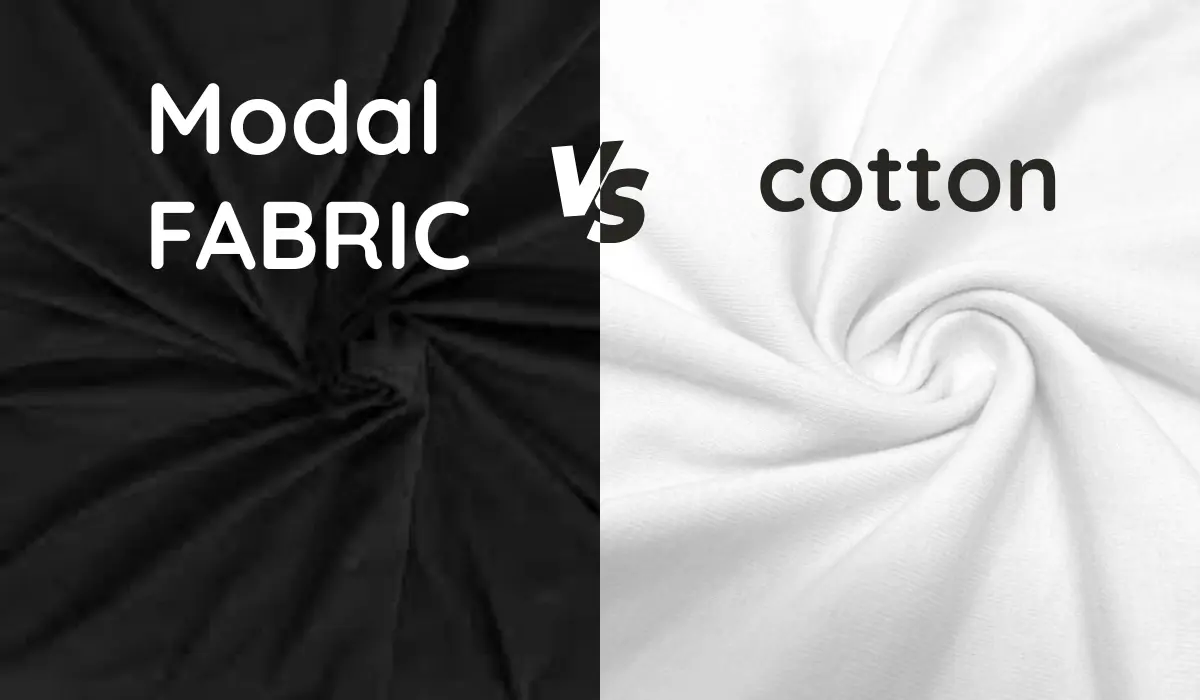
Which fabric is better for everyday wear? Modal fabric vs. cotton
In present-day fashion, creating comfortable, long-lasting garments made with sustainable fabrics is gaining popularity. Consumers are progressively weighing the pros and cons of modal versus cotton fabrics to decide which is better for each everyday, sleep, active, and lounge wear.
Both modal and cotton fabrics are widely used because of their softness, breathability, and versatility, but to the savvy, they vary in duration of life, moisture wicking, and environmental impact.
Compared to cotton, which remains a natural favorite, modal clothing fabric provides a lightweight, silky feeling that many opt to wear. When considering the discussion of modal versus cotton, it is also important to consider all sides of the equation when deciding comfort, long-wear, and performance in order to determine the better fabric in terms of shrink resistance, eco-friendliness, and fabric longevity.
At Hula Global, the study of premium modern textiles enables the fashion lover to make better, more intelligent, and stylish choices in their clothing for everyday use.
What is modal fabric?
Modal fabric is a silky, soft, and very light textile that’s made from cellulose that’s extracted from the pulp of beech trees. Although it’s made from all-natural wood, the manufacturing process involves some chemical tinkering, which is why it’s classed as a semi-synthetic fabric.
The advantages of modal clothing fabric are its silky texture and breathability, it can absorb a load of moisture and is really good at keeping you cool and dry. Because of all this, you’ll find modal used in all sorts of garments, from loungewear and activewear to dresses and pyjamas.
What Makes Cotton Fabric So Special
Cotton fabric is one of the most popular natural textiles going around. And it’s not hard to see why, it’s made from the soft, fluffy fibres that grow around the seeds of the cotton plant, after all. Once the cotton’s been picked, the fibres get cleaned and spun into yarn, which gets woven into the fabric that ends up in all our clothes and home textiles.
People have been in love with cotton for centuries because it’s breathable, it’s comfy, it lasts well, and can be worn in all sorts of weather. You’ll find cotton in everything from your favourite t-shirt to your bedding and towels.
One of the things that really sets cotton apart is how comfortable it is to wear – especially in warm weather. It’s also really good at keeping you cool and dry, which is why you’ll see so many cotton T-shirts and shirts around.
And let’s not forget its super absorbency, which is just as useful when it’s hot and steamy outside. With all these qualities, it’s no surprise that cotton gets used in all sorts of everyday items, from undergarments and home furnishings to jeans and dresses.
When it comes to the Modal vs Cotton debate, cotton tends to win out because of its all-natural credentials, while some people swear by modal for its silky smooth texture and wrinkle-resistance.
Softness and Comfort: Which Fabric Feels Better?
Softness is one of the most reported differences between fabrics like cotton and fabrics like modal. Cotton is well known for being soft and breathable, but it can feel coarser, depending on the weave and quality used. Modal fabric has the benefit of remaining soft after lots of washes, so it is great for everyday work or school clothes.
Wardrobes for people who have sensitive skin often include modal for pajamas and underwear. Unlike some fabrics, which can be rough against the skin, fabric made from modal is designed with comfort and irritation reduction in mind. This is a big reason why modal is popular among other fabrics for pajamas and loungewear. Cotton is still great for clothes tailored towards other fabrics and purposes.
Modal is seen as being slightly coarser and as having a classier drape. Cotton has more of a natural, body-centric feel. While both fabrics work great for daily wear, the modal fabric is often seen as being the fabric of choice. However, cotton is preferred for pajamas and other loungewear.
Breathability and Moisture Absorption
Breathability is key when considering your fabrics in wearables, as some climates can be hot and humid. When comparing the breathability of modal fabric and cotton, as far as trapping moisture and controlling sweat, cotton is fairly even, but modal is more advanced. Modal clothing fabric actively pulls that moisture away from the wearer, keeping them cooler and drier on the inside. It is commonly used in the making of pajamas, summer clothing, and even activewear.
More than any other fabric, cotton is fairly breathable and fairly comfortable, which is why it has so persistently and economically enamored desirers. Cotton, however, does contain and even export some sweat, and that moisture tends to stick to the fabric for a decent duration. Cotton also tends to be a bit heavier, and modal tends to be a bit cooler and drier.
Those attributes climax in clothing, particularly in activewear, underwear, sleepwear, pajamas, and loungewear. Out of cotton and modal, modal seems to win in terms of moisture management and design attributes. While cotton may be finely practical and comfortably run-of-the-mill, those aesthetic and practical attributes are ornate in daily fashion and apparel performance in modal.
Modal Vs. Cotton: Durability, Care, and Shrinkage
Modal fabric’s durability is greater than that of cotton. This is due to the modal fabric’s wrinkle-proof and fade-proof particles. These fibers keep their softness and maintain their original structure, unlike some cotton fabrics that can be soft one day and shriveled the next. Items like pajamas and loungewear that are often worn frequently will benefit from the inherent durability of modal fabric.
Cotton and modal will shrivel, but wash and dry conditions need to be considered. Cotton will often rupture and lose shape, but mode will not. Proper clothing and fabric care will be even more important for these fabrics, as their durability is somewhat limited.
When washing modal fabric, cold water and low heat or no heat drying or tumble drying is key. This is what will keep both fabrics shiveled. In conclusion, with modern patterns and styles, loungewear and pajamas, modal fabrics lightly outperform those made with cotton fabrics.
Environmental Impact of Modal and cotton fabrics
Sustainability plays an important role in the modern apparel sector. For this reason, consumers want to know the environmental impact of cotton and modal fabric. Modal fiber is produced from the pulp of beech trees, and is a semi-synthetic fiber, as natural cellulose is blended with a man-made chemical.
Because modal is a fabric that requires less water in manufacturing, as opposed to cotton farming, most apparel brands use modal over cotton.
Although cotton is a natural fiber, the farming of cotton is water- and pesticide-intensive. Because of its comparative eco-friendliness in manufacturing, modal is regarded as a resource-efficient fabric. Naturally, this contributed to Modal’s popularity because of the fast-growing international interest in sustainable and eco-friendly fashions.
Modal is also a favorite of eco-conscious consumers because of the fabric’s resilient and long-lasting nature. Because of its sustained softness, garments made of modal are no less durable, requiring less frequent replacement.
Modal apparel, including but not limited to pajamas, activewear, and undergarments, is marketed as sustainable. Though there exist environmental pros and cons for both fabrics, modal will likely continue to dominate the modern apparel sector, due to its perception of balance between comfort and sustainable fabrics.
Modal Clothing vs Cotton Clothing
It comes down to preference when deciding between modal clothing and cotton clothing. Modal clothing is commonly described as silky and lightweight compared to cotton clothing.
This makes modal ideally suited for pajamas, loungewear, and activewear. Cotton clothing is generally made from natural fibers, which makes it particularly breathable. Both types of clothing are what one would characterize as comfortable, but one fabric may be better suited for a particular situation than the other.
Modal pajamas are often preferred over cotton pajamas as modal is smooth and cool and therefore more comfortable. Similarly, cotton is a reliable option for undergarments, especially for those who prefer natural fibers.
In areas where modal and cotton options overlap, modal is often preferred for comfort, while cotton is often chosen for simplicity. So, if you are looking for soft, wrinkle-resistant clothing, modal is probably the way to go. But cotton will probably be the best answer for clothing designed for everyday use, for all ages, and for all tastes.
Conclusion
Once again, it is the comparison of modal fabric and cotton. Both materials have specific benefits and drawbacks, but cotton has the most confidence as a natural fabric. It has been the go-to for many because of its breathability, ease of use, and strength.
This is contrasted with modal fabric, which has great popularity due to its silky and lightweight nature, as well as its strong moisture absorption. In the consideration of modal vs. cotton fabrics, the better choice is entirely dependent on personal use and the fabric of choice.
Modal fabrics are almost exclusively chosen for pajamas, underwear, and the fabric of choice for loungewear and both men’s and women’s activewear. This is due to the modal fabric having a tremendous feel on the skin.
Cotton, on the other hand, has a major stronghold when it comes to versatility and affordability. Casual fabrics and home textiles take over the larger portion of the market when compared to modal fabrics. Both fabrics are able to present a level of practicality as long as proper care is exemplified.
Styled and custom-tailored modal fiber is a hit on the modern market with its performance and benefits, while it is postulated and assumed that there are positive effects on sustainability because of its nature. Cotton fabrics, with a stronghold on the market, have been custom-tailored over and over again to the modern market with everyday fabric use. Properly distinguishing fabrics used for casual, durable, and long-lasting use is essential to the fashion decision.
2 Responses
You’re so awesome! I don’t believe I have read a single thing like that before. So great to find someone with some original thoughts on this topic. Really.. thank you for starting this up. This website is something that is needed on the internet, someone with a little originality!
Hi there to all, for the reason that I am genuinely keen of reading this website’s post to be updated on a regular basis. It carries pleasant stuff.