

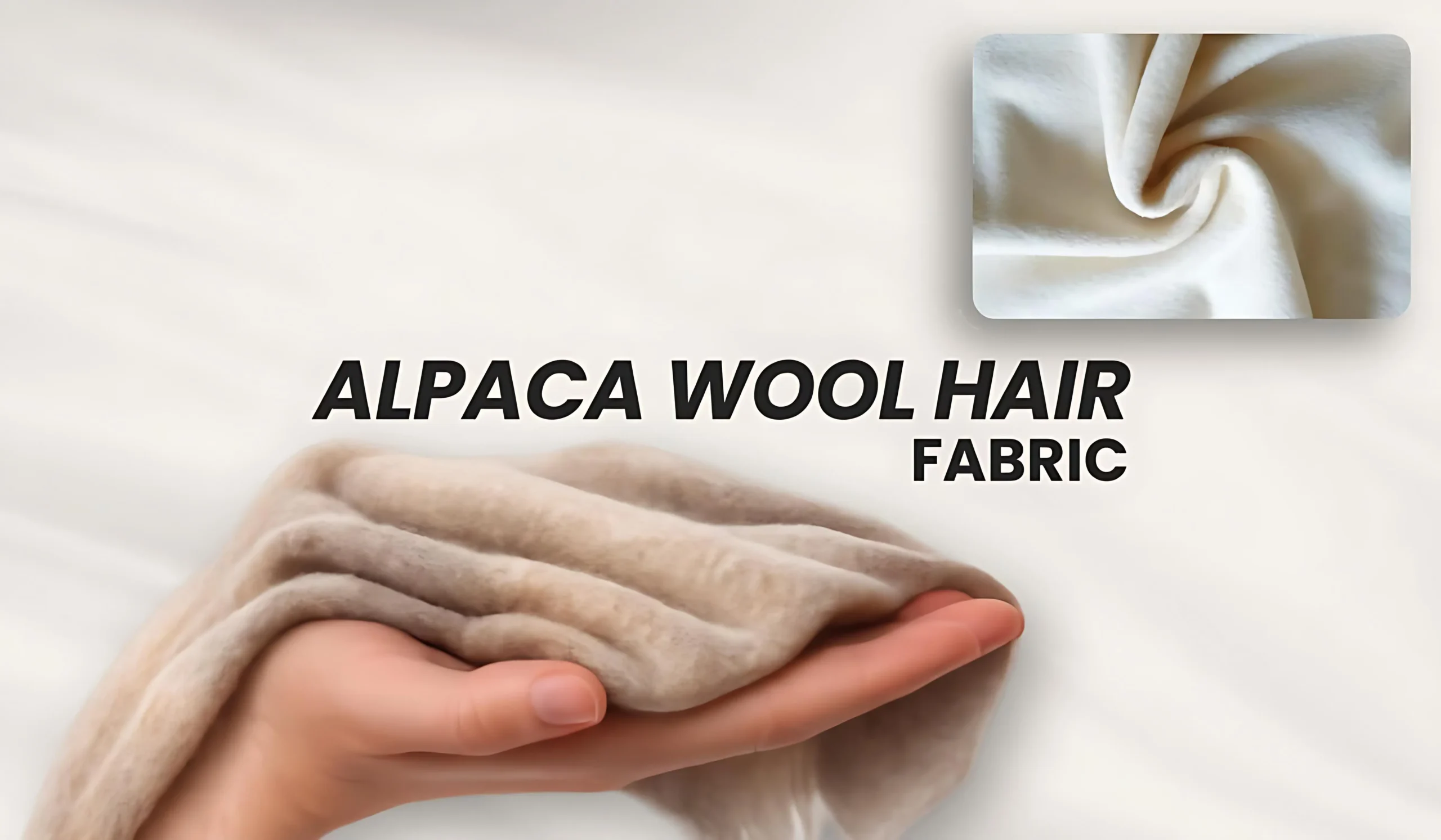
Introduction: What is Alpaca Wool fabric?
Alpaca wool is a fleece fiber obtained from alpaca, a domesticated species from South America that is well known for producing some of the softest and warmest of the world’s luxury fleece. Until recently, alpaca wool was categorized as a high-performance wool, and the animal fiber was recognized for its extreme softness, silky nature, and thermal efficiency. Today, alpaca wool is recognized as a high-performance natural material. It is often compared to cashmere for its lightweight nature; however, wool from sheep is surpassed by alpaca wool in multiple ways. It is stronger, more insulated, and hypoallergenic. Also, the animal fiber from athletic sheep is known to contain a higher lanolin concentration and is not as thermoregulating.
Alpaca wool is categorized based on the fineness of the fibers themselves. They can be Baby Alpaca, Royal Alpaca, or even Huicaya. Within the fibers of alpacas of these classifications, there are two different breeds, Huicaya and Suri. The fiber is well known for having a hollow core, which allows the fiber to be warm; however, it does not retain as much heat or weight. Because of these attributes, alpaca wool is excellent for garments, outerwear, high-end knitted winter garments, as well as blankets and even performance winter garments.
Due to the fleecing of alpacas only occurring once a year, they can maintain a sustainable cycle, producing the fiber each year. Other factors that contribute to alpaca fiber being sustainable is its biodegradability, natural water and flame resistance, and the low environmental impact required to fleece it. Because of constraints on the fleecing of the animals, alpaca wool is able to be marketed as a luxury fiber. Beyond high-end fashion, alpaca wool can be used for various other commercial and artisanal purposes. Today, its high insulation and thermoregulating properties make it valuable for textiles, heightened technical applications, and even homeware.
History of Alpaca Wool
Throughout history, alpaca wool has been in use for approximately 6,000 years, dating back to the Andean civilizations. Evidence suggests early settlers of the Andean Highlands of Peru first domesticated and bred alpacas for their fine wool (Wheeler, 1995). The Inca Empire valued the royal wool of alpacas, and the finest grades were reserved for the elite and priestly classes of nobility, as well as for ceremonial clothing (Rowe, 1977). The alpaca wool was called “The Fiber of the Gods”.
When the Spanish colonizers came, they and their sheep prioritized grazing land, quickly decimating the Andean alpaca population. Their Andean alpaca textile traditions were preserved and continued by the Andean natives (Kadwell et al., 2001).
The 19th-century European woollen manufacturers’ discovery of the textile and subsequent introduction of the fine wool into the global market revived the Andean tradition of alpaca wool (Smith, 2010). Today, with over 330,000 alpacas sheared each year, Andean alpaca wool is the finest in the world, and Peru is the largest producer (Bolivia, Chile, with small but growing herds in Australia, the US, and Europe). Today, textile research continues to position alpaca wool as an eco-luxury alternative to cashmere and wool.
Manufacturing Process of Alpaca Wool
1. Choosing Fibers
For the Los Angeles-based business, alpaca fibers undergo extensive sorting, beginning with the differences in Huacaya and Suri-bred alpacas, before considering the various softest grades (Baby Alpaca and Royal Alpaca under 19 microns) based upon fineness, length, and color. After these raw fleeces undergo hand sorting to extract vegetable matter and coarser guard hairs, the fleeces are ready to be cleaned before sorting begins.
2. Carding, Weaving, and Knitting
For the Los Angeles-based business, after alpaca fibers undergo sorting and cleaning, the raw fleeces are then carded to line the fibers. Huacaya wool is typically spun to make soft yarns used in knitting, and due to Suri wool, with its high drape, it’s typically used in the weaving of fabrics. From there, various yarns are chosen to be knit and woven for the final product, including textiles, apparel, and blankets.
3. Fabrics
The fabrics are then finished to improve stability and durability. Techniques such as steaming, brushing, natural anti-pilling dyeing, and fulling enhance the fabric’s softness and sheen, along with durability. Other fibers, such as silk, wool, and bamboo, are commonly added to alpaca for extra drape and strength. Sustainable methods such as low water washing and plant-based dyeing are now more commonly used to work with the alpaca wool’s natural, eco-friendly properties.
Properties and characteristics of Alpaca wool
1. Outstanding Smoothness
The fibers of alpacas are smoother, with a more satin-like finish with fewer scales. While cashmere is softer, both Baby and Royal Alpaca grades withstand moisture and wear more efficiently than cashmere. This alpaca quality is top of the line, and it is sought after by the luxury market and customers whose skin is more sensitive.
2. Outstanding Warm Situations
The unique core of alpaca fibers is both hollow and thermal insulating, allowing it to capture heat without allowing any to escape. This unique core is heat-efficient, allowing more than 30% extra warmth than sheep’s wool. This varied functionality makes it super versatile.
3. Non-Cancerous
Alpaca wool is pharmaceutical grade and contains so little lanolin, it is unnoticeable. This means alpacas are more likely to offer a durable product for sensitive customers. The soft fiber surface further minimizes itchiness, offering a comfortable experience even for sensitive skin.
4. Water and Moisture Resistant
Alpaca fibers, due to the heat-efficient core, resist moisture well, so the fibers will dry more efficiently than sheep wool. This makes them great in humid climates. The alpaca’s lightness and efficiency make them great in all weather, ideal for outerwear and performance textiles.
5. High Tensile Strength & Durability
Alpaca wool is stronger than sheep’s wool and a variety of other natural fibers. The longer staple length makes it more resilient to breakage and wear. This durability means that garments made of alpaca wool hold their shape, don’t pill, and last a long time, even after frequent wear.
6. Breathability & Thermal Regulation
The semi-hollow structure promotes excellent temperature regulation, making alpaca warm in winter and cool in other climates. It also wicks moisture away from the skin and prevents clamminess during activities or temperature shifts, which enhances comfort.
7. Natural UV Resistance
Alpaca fibers provide fundamental protection from harmful UV rays. This makes the fabric ideal for outdoor clothing, ponchos & capes, and travel textiles where sun exposure is more than usual. It also helps the fibers retain their color quality, and the UV exposure contributes to the fibers’ longevity.
8. Eco-Friendly & Biodegradable
Alpaca wool is a natural, renewable fiber with extremely low environmental impact, and it also decomposes. Unlike sheep, alpacas do not damage the soil, graze gently, and need less water. The wool also does not leave any synthetic waste; it decomposes and enriches the soil with nutrients.
9. It is Lightweight But Warm
Alpaca fabrics have a unique combination of being lightweight, yet still insulating. Because of this, fabrics made from alpaca are ideal for high-quality knitwear, lightweight shawls, scarves, and blankets.
10. Antimicrobial and Odor Resistant
Alpaca wool does not harbor bacteria and is even odor-resistant. It remains fresh for long periods, even when worn multiple times. Because of this, it is ideal for travel clothing.
Application of Alpaca Wool
Thanks to Wool’s fine texture and warmth, alpaca fiber is used across countless industries and fields, including fashion, home textiles, and performance. Wool works for luxury clothing, and even for industrial insulation; alpaca fibers are diverse.
1. Knitwear & Luxury Fashion
This material is being used a lot in garments like sweaters, oversized wraps, bolero wraps, scarves, coats, dresses, ponchos, and high-end apparel because of its soft texture and beautiful drape
2. Premium Textiles & Home Furnishings
This fabric is perfect for creating lightweight, durable, and warm blankets, throws, cushions, bedding, rugs, and upholstery fabric
3. Exercises, Outdoor, and Winter Wear
The fabric is also great for creating hiking socks, thermals, base layers, winter hats, gloves, and winter accessories because of the fabric’s moisture-wicking properties
4. Crafts, Artisanal & Hand-Spun Products
This fabric is also being used a lot for hand knitting, spinning, weaving, and creating Andean textiles in the artisanal market
5. Specialty and Industrial Uses
This material is also used in lightweight insulation, premium padding, and other technical areas where the advantages of natural fiber are a must.
Variations and types of Aplaca Wool
Manufacturers can choose desired fiber types of varying grades and structures in alpaca wool depending on softness, durability, and application. Depending on whether the wool is from Huacaya or Suri alpacas and the particular fiber grade, the wool varies greatly. These differences affect the temperature of the wool, the droop in the wool, the shine, and the texture of the finished wool. The versatility of alpaca wool allows it to be able to be used for luxury clothing and high-end technical textiles.
Types of Alpaca Wool
1. Huacaya Wool
Fluffy and crimped wool that is soft and fluffy like fine sheep’s wool. Ideal for knitwear and garments that need insulation.
2. Suri Wool
Drapes well and has straight, silky, and lustrous fibers. Used for high-end woven textiles and luxury shawls, and fabrics.
3. Baby Alpaca
This fiber comes from the softest fleece, though it is not from a baby alpaca. This fiber can smooth up the skin surface, and it is ideal for high-end clothing.
4. Royal Alpaca
Finest grade wool is from royal alpacas. This cashmere is ultra-soft and incredibly rare, so it is in higher demand than regular cashmere wool.
5. Alpaca textile blends
Some blends of alpaca wool include Tencel, hemp, wool, or nylon to improve texture, comfort, durability, and elasticity.
Environmental Impact of Alpaca Wool
Of all animal fibers, alpaca wool is one of the most environmentally conscious of the options available due to low land impact, minimal water usage, and sustainable grazing habits. Erosion caused by livestock grazing is always a concern, but the padded feet of alpacas are soil-friendly, and selective grazing means that their pastures are undamaged compared to those of sheep and goats. They are more efficient fiber producers and use less water and food than other livestock.
Microplastics are a major concern for the environment, but alpaca wool is biodegradable, and microplastics are not an issue. Where alpaca wool farms do shear their animal, and there are ethical concerns, the farms can calm and gently handle the animals. Further water usage is less than habitual due to low wash protocols and sustainable dyeing. The environmental impact is reduced, but the distance of transport is an issue since most alpaca wool is produced in South America, and the majority of customers are overseas.
Alpaca wool is an excellent example of eco-luxury and meets the bar for sustainable fashion.
References
Kadwell, M. G., Fernandez, M., Stanley, H. F., Baldi, R., Wheeler, J. C., Rosadio, R., & Bruford, M. W. (2001). Genetic analysis reveals the wild ancestors of the llama and the alpaca. Proceedings of the Royal Society B.
Rowe, A. (1977). Inca Textiles and Weaving Practices. Textile Museum Journal.
Smith, D. (2010). Alpaca: A Worldwide History. Textile Institute Publications.
Wheeler, J. C. (1995). Evolution and present situation of the South American Camelidae. Biological Journal of the Linnean Society.
One Response
Your article helped me a lot, is there any more related content? Thanks!