

Leather jackets have always been coveted for their strength, tactile feel and classic aesthetic.
A piece that sits in our wardrobe for years and is, in fact, improved with time. The question of sustainable fashion, however, is continually being addressed and is starting to reshape perceptions around the material.
Today, it’s not about the feel or look of the jacket but the make; therefore, more ethical options are emerging that embody leather but without the ecological price tag.
Evolving Beyond Traditional Leather
Leather production, in its traditional form, consists of several processes, including tanning, which can sometimes require a high level of resources. While leather is a strong and durable material, the leather industry is working towards making it more sustainable.
One of the significant developments in leather is ‘new’ materials that look and feel like leather, without necessarily being made from animal skins. It is important to note that it is not about replacing leather, but rather about having options.
Rise of Innovative Alternatives
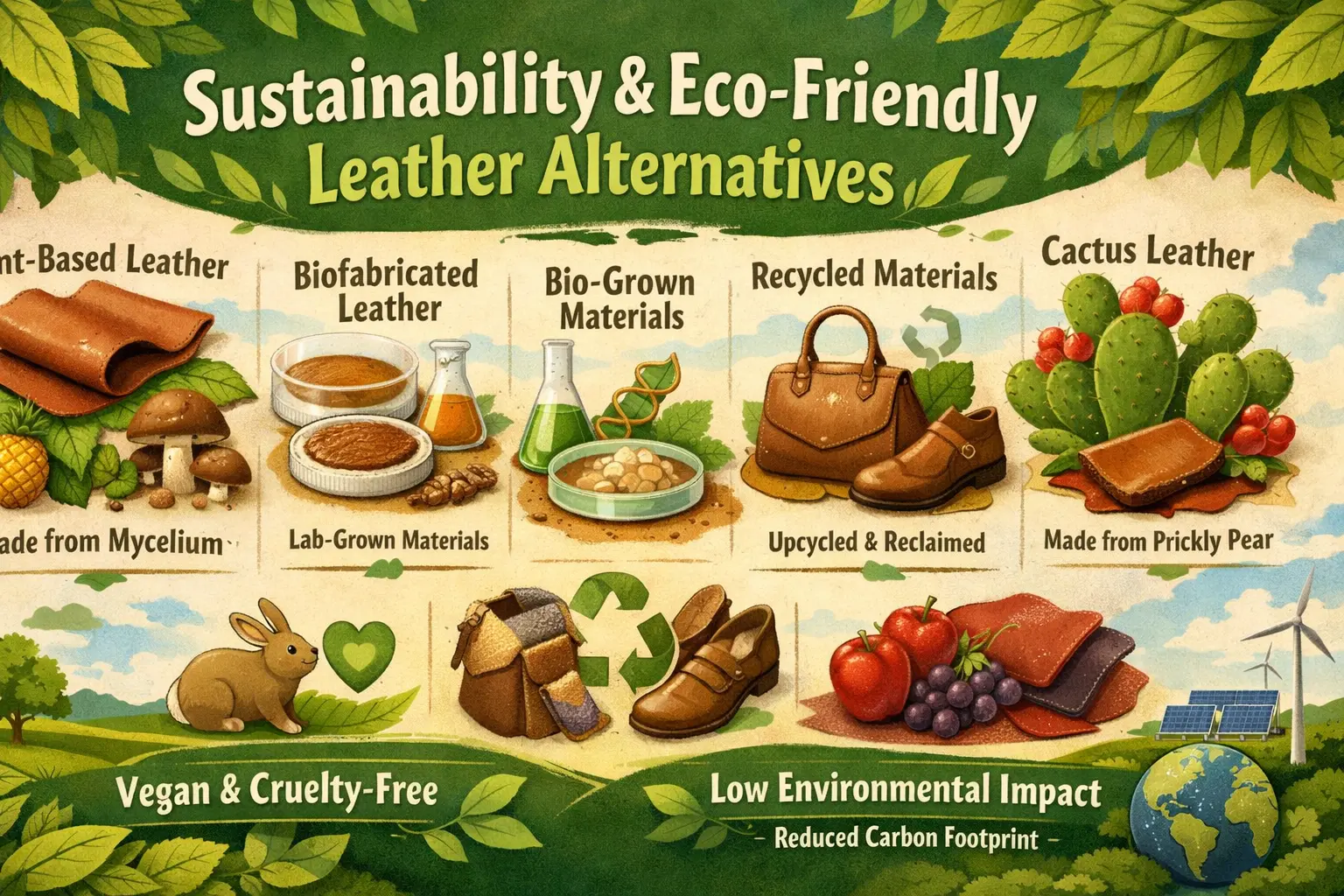
Today, leather substitutes come in more sophisticated forms, other than just a simple synthetic substitute. Materials made from natural resources like plant fibers and agricultural waste are now available that can be developed into a fabric that feels as supple as leather.
Examples that were discussed include materials made from fruit waste or plant-based fibers, which offer a leather-like material that is more breathable and softer to touch and is identical in appearance to a normal leather substitute and could also function in structured jackets or softer clothes, without the necessity of traditional means.
Recycled Material: Extending Leather Life
Another approach gaining attention is the use of recycled leather. Instead of discarding leftover or unused leather, it is reprocessed and integrated into new products. This not only minimizes waste but also ensures that existing materials are utilized more efficiently.
Recycled leather often carries subtle variations in texture, which adds a sense of individuality to each piece. At the same time, it maintains the core characteristics that make leather jackets desirable: strength, structure, and longevity.
Balancing Style & Responsibility
Some worry about whether the quality of sustainable materials will live up to the aesthetic benefits of real leather. However, technology has finally developed to catch up.
Sustainable materials available today look great while still meeting the performance standards required of leather to enable brands to manufacture great-looking jackets that will hold up just as well over time, from timeless shapes to the latest trending designs. Sustainable leather alternatives are versatile.
A Shift in Perspective
The current demand for eco-friendly substitutes for leather is part of a general shift in the fashion world from ownership to conscious consumerism (knowing and understanding where your clothes and accessories come from).
Leather jackets have remained a vital wardrobe staple, but the choices around them have evolved, and through newer, more innovative materials and by recycling older ones there is now an alternative way of enjoying a leather jacket’s appeal.